Guide5 min read
Agentic AI in Due Diligence: Navigating Autonomous Systems for Enhanced Risk Assessment
Agentic AI due diligence automates evidence review to flag risks faster. Learn how to govern autonomous agents for accurate deal decisions in 2026.
Published

Agentic AI has moved from experiment to production in 2026. Autonomous agents now cross-reference public records against private deal documents to surface hidden liabilities before investment committee review.
Key takeaways
- Agentic systems investigate data rather than simply summarizing it, tracing recommendations to source documents.
- Governance requires human review gates before any agent recommendation reaches the investment committee.
- Tools must integrate with public records like SEC EDGAR and sanctions lists to validate findings.
- Real-time monitoring extends diligence beyond the deal close, flagging portfolio risks as they emerge.
What is Agentic AI and Why is it Reshaping Due Diligence in 2026?
Agentic AI differs from traditional chatbots by executing multi-step tasks autonomously. In due diligence, agents do not just read documents; they query databases, cross-check claims, and flag inconsistencies without constant human prompting.
In 2026, this shift means deal teams can automate the heavy lifting of evidence gathering. Fintel Lab's Agent Council, for example, coordinates purpose-built AI agents across evidence review and financial analysis, with every recommendation traceable to the underlying document or data point. This traceability is critical for investors who must defend decisions with clear audit trails. By automating the initial pass, we free senior analysts to focus on strategic judgment rather than manual data entry.
How Autonomous AI Agents Enhance Risk Identification and Analysis
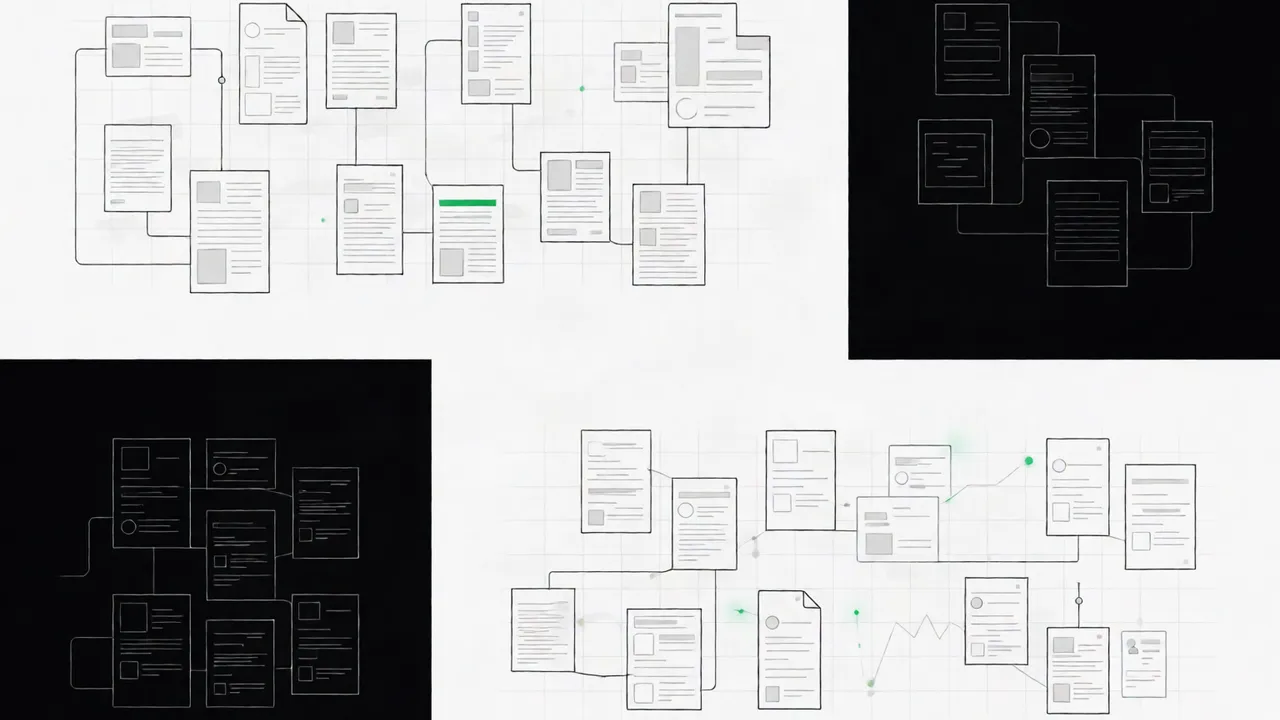
Autonomous agents identify risks by correlating data across disparate sources that humans might miss. They can scan contracts for non-standard clauses while simultaneously checking entity registration against official government databases.
For instance, an agent might flag a mismatch between a target's reported revenue and its tax filings. It can also cross-reference founder backgrounds against litigation records to uncover undisclosed legal issues. This capability directly supports deeper analysis in complex transactions. We have found that integrating these agents improves the speed of initial risk flagging significantly. Our guide on AI in M&A Due Diligence: Evaluating IP Ownership, Data Privacy, and Licensing in 2026 details how to structure these checks for intellectual property specifically.
Establishing Governance and Human Oversight for Agentic AI Systems
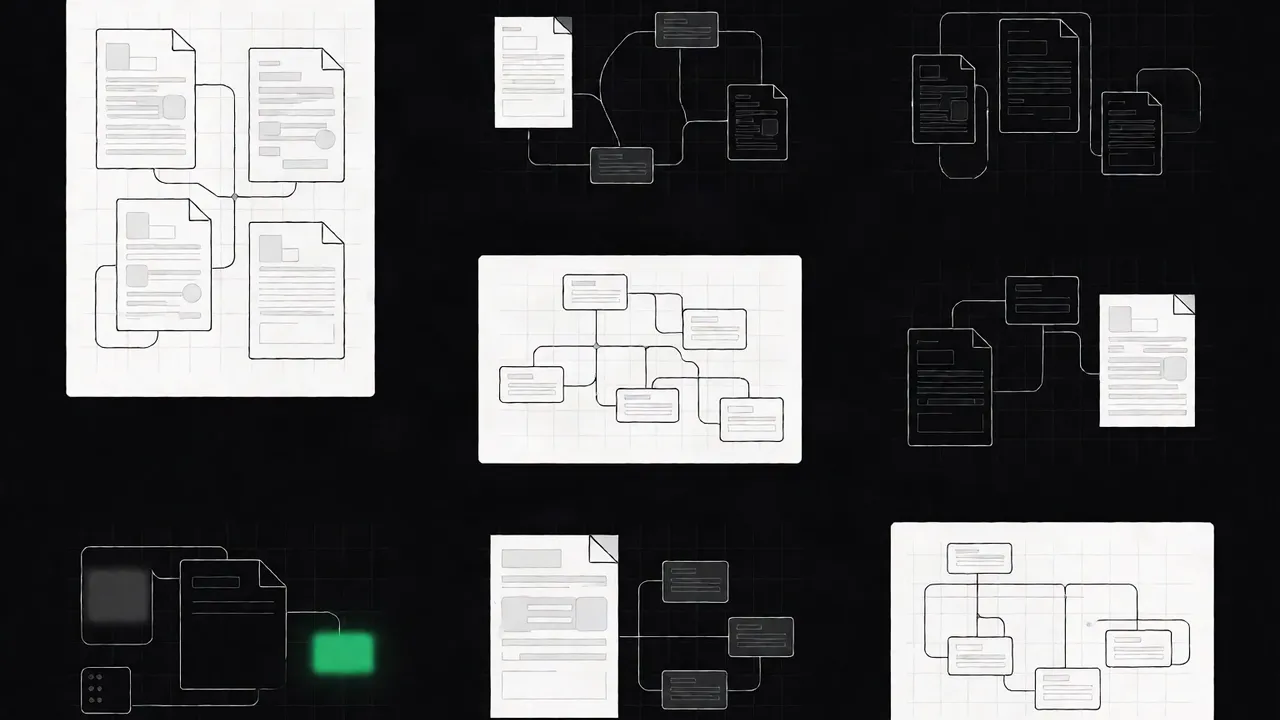
Human oversight remains mandatory because autonomous agents can hallucinate or misinterpret context. Governance frameworks must enforce human-in-the-loop review before any critical risk assessment is finalized.
Adopting agentic AI for compliance requires clear protocols. ComplyAdvantage recommends setting strict boundaries on what agents can access and ensuring all outputs are reviewed by compliance officers before action. This prevents automated errors from triggering false positives in sanctions or adverse media screenings. We structure our internal workflows so that agents propose findings, but senior associates must validate the evidence chain. This ensures that the investment committee receives only verified insights.
Real-Time Risk Monitoring and Predictive Analytics with Agentic AI
Agentic AI extends beyond the deal close to monitor portfolio companies continuously. Agents can scan news feeds and regulatory filings daily, alerting investors to material changes in real time.
This shifts diligence from a one-time event to an ongoing process. If a portfolio company faces a new lawsuit or a change in executive leadership, the system flags it immediately. This proactive approach helps investors manage downstream risk effectively. Our earlier analysis on AI in Sanctions Screening: Reducing False Positives and Real-Time Risk for Investors explains how to calibrate these alerts to avoid alert fatigue while maintaining sensitivity to genuine threats.
Evaluating Agentic AI Due Diligence Tools: Key Features and Considerations
Selecting the right platform requires evaluating its ability to handle complex workflows and integrate with existing data sources. Look for tools that offer transparent reasoning and robust security controls.
The table below outlines key features to compare when assessing agentic AI solutions for your practice:
| Feature | Why It Matters | Verification Method |
|---|---|---|
| Traceability | Ensures every risk flag links to a source document. | Check if the UI highlights the exact text snippet. |
| Integration | Allows connection to public records like SEC EDGAR. | Ask for API documentation or connector lists. |
| Human Review Gate | Prevents unverified output from reaching decision makers. | Confirm workflow requires manual sign-off. |
| Data Security | Protects sensitive deal data from unauthorized access. | Request SOC 2 Type II compliance reports. |
Providers like AWS offer marketplace accelerators that help deploy these capabilities securely. You can explore options like the AWS Agentic AI Due Diligence Accelerator to see how cloud infrastructure supports these agent workflows.
The Future of Due Diligence: Integrating Agentic AI into Investment Workflows
The future of diligence lies in embedding agents into the standard investment lifecycle. This means agents are not just tools for the diligence phase but partners for the entire investment period.
We anticipate that LPs will increasingly demand evidence of automated risk monitoring in portfolio companies. This will make agentic AI a competitive differentiator for general partners. To prepare, integrate these systems with your existing data room and CRM. For broader risk contexts, review our framework on The Investor's Guide to AI in Third-Party Risk Management: Identifying and Mitigating Supply Chain Vulnerabilities to understand how agents can extend oversight to your targets' suppliers.
By adopting these tools now, firms can build a defensible moat around their risk assessment capabilities. The goal is not to replace human judgment but to augment it with data-driven precision.
FAQ
What is the primary risk of using agentic AI in due diligence?
The primary risk is hallucination or incorrect interpretation of data. Without human-in-the-loop validation, agents may flag false positives or miss critical context that a human analyst would catch.
How do I ensure compliance when using autonomous agents?
Ensure your governance framework requires human review for all outputs. Follow industry guidance such as the tips on adopting agentic AI for AML due diligence from ComplyAdvantage.
Can agentic AI replace traditional financial analysis?
No, it augments it. Agents can automate data extraction and preliminary analysis, but senior analysts must interpret the results and make final investment recommendations.
What public records do agentic systems typically check?
Common checks include SEC EDGAR filings, Companies House records, sanctions lists, and CourtListener for litigation history. These sources provide the evidence base for automated risk flags.
How do I start implementing agentic AI in my firm?
Begin with a pilot program focused on a specific workflow like contract review or sanctions screening. Ensure you have clear governance policies in place before scaling to broader deal usage.