Guide5 min read
AI in Founder Background Checks: Beyond the Resume in 2026
AI founder background checks 2026 reveal hidden risks faster. Learn how investors use public records, AI tools, and ethical screening to assess integrity before signing deals.
Published
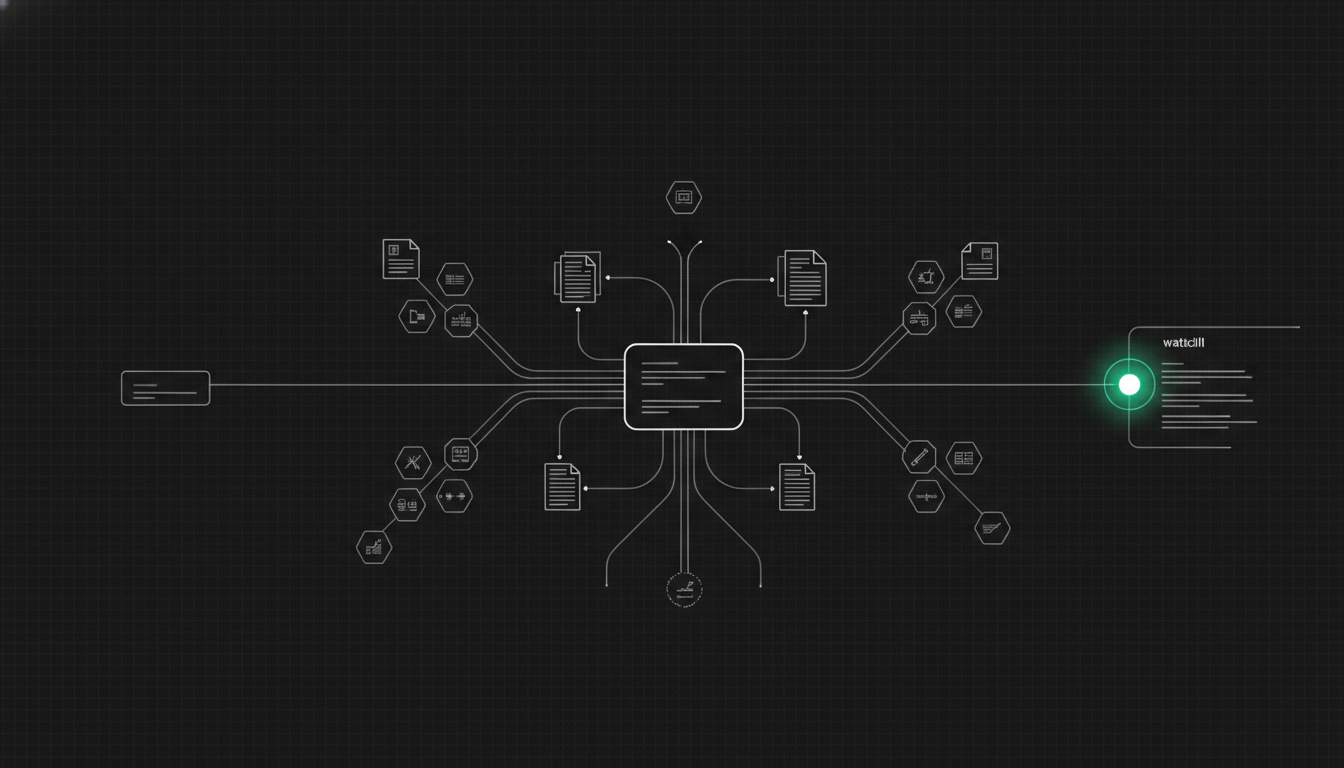
AI founder background checks in 2026 transform due diligence by cross-referencing public records at scale. This approach surfaces financial anomalies and reputational risks traditional resume reviews miss. Investors gain deeper insight into character and integrity before committing capital.
Key takeaways
- Traditional checks miss non-obvious links between past entities and current deals.
- AI tools aggregate data from SEC EDGAR, Companies House, and adverse media.
- Ethical screening requires human review to prevent bias in automated scores.
- Start with a structured checklist before fully automating your diligence process.
Why Do Traditional Founder Background Checks Fall Short in 2026
Traditional checks rely heavily on self-reported resumes and limited credit history. This leaves significant gaps in understanding a founder’s full professional footprint. In 2026, a resume alone cannot verify every entity a founder has controlled or funded.
Investors often miss connections between previous failures and new ventures. A founder might list a successful exit but omit a dissolved shell company from three years prior. Manual searches take weeks and are prone to human error. You need a system that runs continuously, not just during the initial interview.
How Has AI Changed Founder Screening and Due Diligence
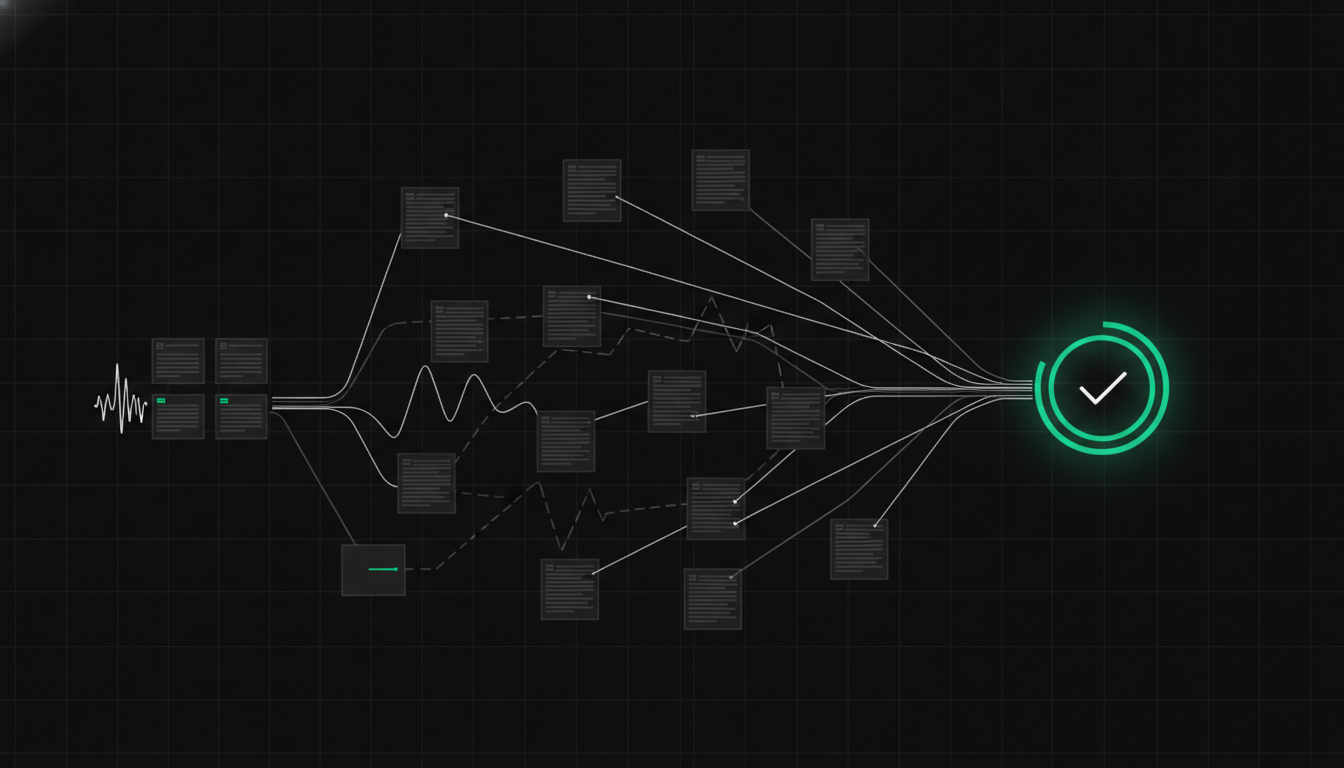
AI shifts screening from a point-in-time event to a continuous monitoring process. It ingests structured and unstructured data to flag inconsistencies instantly. This allows your investment committee to see risks before the term sheet is drafted.
Recent shifts show AI reducing fraud and waste in high-stakes verification environments. Tools now scan government contracts and public filings to validate claims independently. This capability extends to private markets where data is fragmented. You can now check a founder’s digital footprint alongside their legal history without manual effort. Checkr uses AI to help reduce fraud and waste in government contracts.
What Tools and Data Sources Are Used for Founder Checks
Effective screening combines proprietary AI models with public records. You need access to regulatory filings, court records, and media archives. Relying on a single source creates blind spots.
| Data Source | Type | Best Use Case |
|---|---|---|
| SEC EDGAR | Public Records | Verify filings, Form D, and past public company roles |
| Companies House | Public Records | Check UK entity history and directorships |
| Adverse Media | News/Alerts | Identify reputational risks or legal disputes |
| Sanctions Lists | Government | Ensure compliance with global trade restrictions |
AI tools map relationships between these sources to find hidden conflicts. For example, if a founder lists a non-profit as a volunteer gig, the system can cross-reference board records. This verification happens faster than a human analyst could compile the data. AI background screening transforms how data is analyzed for risk.
How Does AI Detect Red Flags in Financial and Legal Records
Algorithms identify patterns that suggest financial distress or misconduct. They scan for late filings, sudden entity changes, or litigation history. This goes beyond a simple credit score to assess business integrity.
When a founder claims profitability, the system checks tax filings or audit reports if available. If they list a specific industry exit, the system validates the transaction through public news or regulatory notices. It also flags frequent incorporations without corresponding operational history. These signals often precede larger issues during the investment lifecycle.
What Are the Ethical and Bias Risks in AI Screening
Automation can amplify existing biases if not carefully governed. AI might penalize founders from underrepresented regions due to data gaps. You must treat AI outputs as alerts, not final decisions.
Bias can enter through training data that overrepresents certain demographics. For instance, a model trained only on successful US tech founders may flag legitimate international structures as anomalies. Regular audits of the model’s logic are necessary. Human review remains essential to interpret context. A flagged record needs a human to distinguish between a genuine risk and a benign administrative error.
How to Implement an AI-Driven Check Process Step by Step
Start by mapping your current diligence workflow to identify bottlenecks. Define which records are mandatory before any meeting. Automate the retrieval of these records first.
- Define Triggers: Set alerts for specific events like new entity filings.
- Aggregate Data: Connect APIs to public records and media feeds.
- Score Risks: Use a consistent rubric for severity (Low, Medium, High).
- Review: Have a partner manually review High risks before IC.
- Monitor: Keep the dashboard active post-investment for portfolio watchlists.
This process ensures consistency across deals. It also protects you from missing critical information during a competitive bid. Your team spends less time searching and more time analyzing strategic value.
How Can Investors Balance Speed and Depth in Automated Checks
Speed should never compromise accuracy. Automation saves time on data gathering, not final judgment. Use AI to prioritize the 20% of deals with the highest risk profiles.
Set thresholds that force human intervention. If the system flags a legal dispute, a senior analyst must read the court documents. Do not rely on a risk score alone to reject a candidate. Context matters, and AI cannot read the nuance of a settlement agreement. This balance maintains efficiency without introducing reckless shortcuts.
FAQ
Is AI background checking legal for venture capital diligence?
Yes, provided you comply with data privacy laws like GDPR or CCPA. You must inform founders that data is being aggregated from public sources. Ensure your data vendors adhere to strict security standards.
How does AI founder screening differ from standard credit checks?
Credit checks show financial behavior; AI screening shows professional and reputational history. It includes legal filings, entity ownership, and media mentions. This provides a holistic view of character beyond solvency.
Can AI detect deepfakes in founder identity verification?
Advanced tools now include deepfake detection for video verification processes. They analyze artifacts in facial movements and audio sync. This prevents identity fraud during remote onboarding or KYC procedures.
What public records do AI tools analyze for founders?
They analyze SEC EDGAR filings, Companies House registers, and court records. They also scan for sanctions lists and adverse media. This covers both regulatory compliance and reputational risk.
When should we switch from manual to automated checks?
Switch when you are evaluating more than five deals per quarter. Manual checks do not scale without increased error rates. Automation ensures every deal receives the same baseline level of scrutiny.
For a deeper dive into our due diligence checklist and how we automate public records research, visit MarketPrior.