Guide7 min read
Beyond the Balance Sheet: Using AI for Competitive Intelligence in Private Markets
How investors use AI competitive intelligence in private markets to read alternative data, spot entry signals, and support diligence without replacing human judgment.
Published · Updated

AI competitive intelligence can narrow the information gap in private markets, but only as a diligence layer, not a crystal ball. Harmonic.ai frames its value around finding the best companies six months before the competition, and WatchMyCompetitor is a market intelligence platform built on continuous monitoring. I have used these signals to flag a competitor’s entry before an IC meeting, but I would never let an algorithm replace a reference call or a Companies House filing.
Key takeaways
- Private companies rarely file the equivalent of a 10-K, so traditional competitive intelligence arrives too thin and too late.
- Alternative data—job postings, USPTO patents, CourtListener dockets, Companies House filings—can be read at scale with AI.
- Treat AI outputs as leads for human verification, not as investment advice or a guarantee of returns.
- Public records are public, but scraping and repurposing them still carries privacy and sanctions exposure.
Why is traditional competitive intelligence insufficient in private markets?
Private markets lack the disclosure discipline of public markets. Most portfolio companies do not file 10-Ks or hold earnings calls, so an IC memo often rests on a few customer references and whatever is in the data room. That leaves long blind spots between deals.
I have seen teams miss a competitor’s new facility because it only appeared in a local planning filing, not in any competitor update. Public records like Companies House, OpenCorporates, SEC EDGAR (for public comparables), CourtListener, and USPTO provide fragments, but no single document tells the whole story. Traditional CI is also relationship-driven and slow; by the time a broker describes a trend, the round may already be priced.
The limit is real: AI can assemble these fragments, but it cannot see inside a private company’s bank account or read the CEO’s mind.
What alternative data sources can AI analyze for competitive insights?
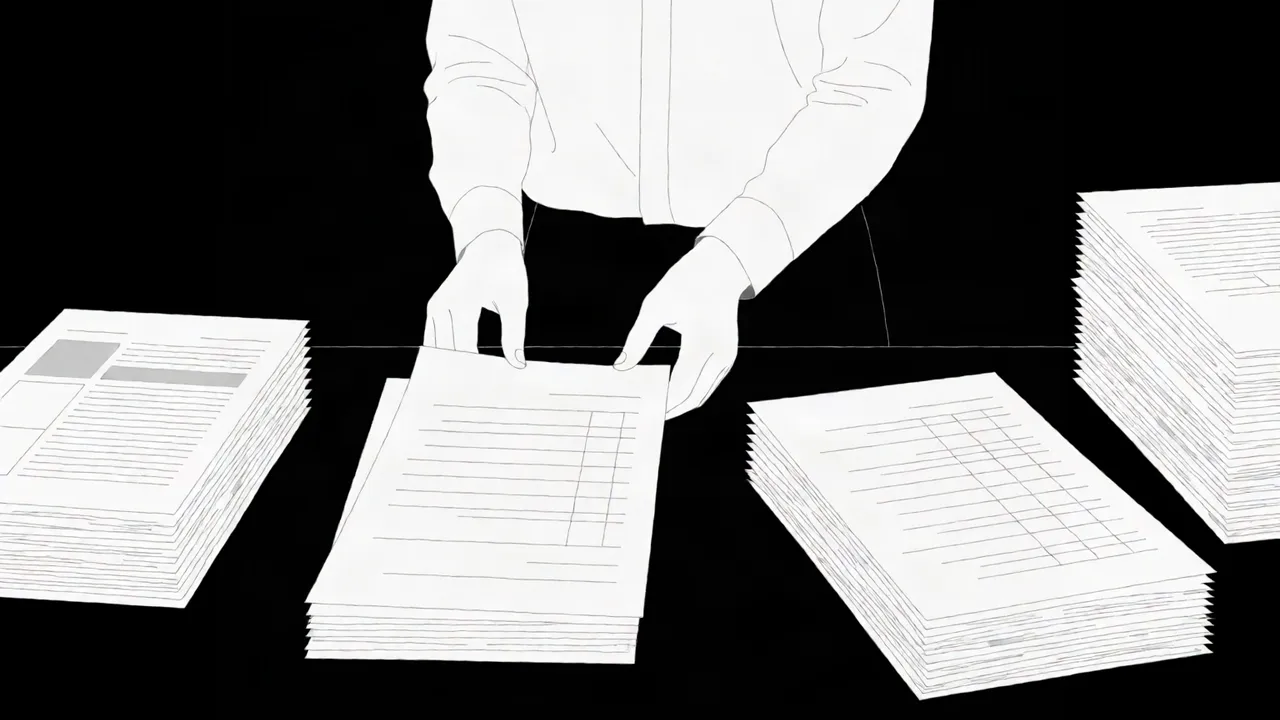
AI can turn public exhaust into competitive signals without ever seeing a private ledger. Job postings reveal hiring priorities and geographic expansion; patent filings show R&D direction; litigation dockets surface disputes; web traffic and app reviews hint at customer sentiment.
| Source type | What it can signal | Example public record |
|---|---|---|
| Job postings | Hiring clusters, new functions, geography | Company careers pages |
| Patent filings | R&D focus, defensive IP, new technology classes | USPTO |
| Court filings | Litigation risk, commercial disputes | CourtListener |
| Corporate registrations | Entity changes, directors, registered office | Companies House, OpenCorporates |
| Web and app traffic | Customer engagement, possible churn | Third-party analytics |
WatchMyCompetitor frames itself as a market intelligence platform, and Harmonic.ai markets its tools for monitoring trajectory and identifying breakout companies at scale. I use these sources to build a watchlist, not to make a final call. The signal is only as good as the record behind it.
How does AI assess private company market positioning?
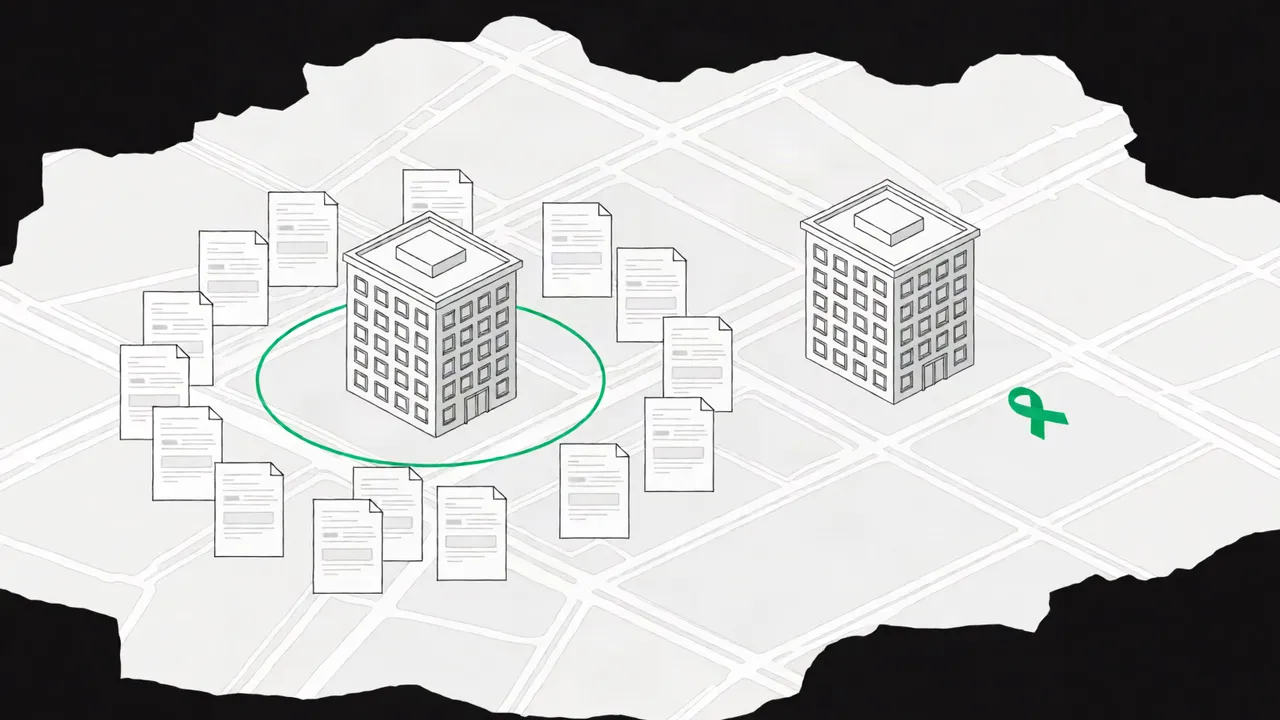
Positioning in private markets is relative, not absolute. AI can cluster hiring by function, map patent citations to technology clusters, and compare executive moves against a peer group. The output is a map of where a company stands versus others, not an audited market share figure.
I have found this most useful when a target claims to be “the leader” in a niche. A quick scan of USPTO filings and OpenCorporates registrations can show whether that leadership is real or just recent branding. The risk is overconfidence: AI infers positioning from behavior, not from revenue or customer contracts.
How does AI identify market entry and exit signals from competitor activity?
Entry and exit leave traces. A sudden cluster of job posts in a new city, a new USPTO filing in an unfamiliar patent class, or a fresh entity registration in a different jurisdiction can all precede a product launch by quarters. I treat these as leads, not confirmations.
Exit is harder to see. It often looks like a hiring freeze, a lapse in patent maintenance, or a director resignation. AI can surface these patterns faster than a human analyst, but the decision to act still belongs to the investment committee. Any forward-looking read should be labeled a backtest, not a forecast.
What does competitive landscape analysis AI actually do?
AI can build a competitive landscape by clustering companies on shared signals—hiring, patents, geography—rather than self-declared categories. This catches stealth competitors that do not appear in a broker’s market map. The result is a network, not a static quadrant.
I prefer this approach when entering a new sector where I do not yet know the players. The downside is noise: without human review, the model may group companies that merely use the same buzzwords. I always validate the clusters against public filings before showing them to an LP.
How does AI identify emerging market trends?
Emerging trends often appear in the language of job descriptions and patent claims before they reach a trade publication. AI can surface rising skill clusters and citation spikes across thousands of documents. I label any forward-looking read as a backtest, not a forecast.
The danger is mistaking a trend for a deal. A surge in AI-related job postings does not mean every company hiring AI talent is a good investment. I use trend detection to narrow a sector, then run standard diligence on individual targets.
Can AI predict competitor moves?
Predicting a competitor’s next move means sequencing multiple signals—hiring, patents, litigation, executive departures—into a timeline. The model can suggest likelihood, but it cannot tell you intent. I use it to prioritize which portfolio companies to call first, not to time the market.
If a competitor is hiring regulatory affairs staff and filing in a new jurisdiction, that is a reason to ask the target about its own compliance roadmap. It is not a reason to change an investment thesis on its own.
Where does AI fit in strategic due diligence?
AI belongs in the preparation stage of diligence, not the final vote. It can scan public records for IP ownership, litigation, and regulatory flags before an IC memo is written. I still want a human on every material finding.
For deeper diligence, I connect this to the work described in Agentic AI in Due Diligence: Navigating Autonomous Systems for Enhanced Risk Assessment and AI in M&A Due Diligence: Evaluating IP Ownership, Data Privacy, and Licensing in 2026. AI can also surface third-party and sanctions risks, which I cover in AI in Sanctions Screening: Reducing False Positives and Real-Time Risk for Investors.
What does an AI-driven competitive intelligence deal look like in practice?
I have seen a deal team use AI to monitor a target’s competitor. The system flagged a hiring surge in a new region and a new patent filing weeks before the target disclosed anything in the data room. The IC used that signal to adjust the entry price, not to walk away.
This is an anonymized illustration, not a customer story. The source types were job boards, USPTO filings, and corporate registrations. The value was speed: the team had the information before the next IC meeting, not after the deal closed.
What are the ethical considerations and data privacy limits in AI-driven competitive intelligence?
Public does not mean unrestricted. CourtListener dockets and USPTO records are public, but scraping terms of service, repurposing personal data, or ignoring sanctions lists creates liability. I run every automated list through a sanctions screen before it reaches an LP.
For investors, this means checking the regulatory landscape before deploying automated collection. I discuss the patchwork of 2026 rules in AI in Regulatory Compliance: Navigating the Patchwork of 2026 Laws for Investors. The bottom line: if you would not want a competitor doing it to you, do not do it to them.
If you are building a private-market intelligence process, start with the public records you already have access to, then layer AI on top. We support investors doing this work at marketprior.com.
FAQ
AI for market entry strategy private equity?
It helps prioritize regions and segments by surfacing hiring, patent, and entity signals before a competitor announces anything. It supports the strategy; it does not replace the IC’s judgment.
competitive landscape analysis AI?
AI clusters companies by shared behavior and signals rather than self-declared categories, which can reveal stealth competitors. The output should be validated against public filings before use.
identifying emerging market trends AI?
AI can detect rising skill clusters and citation spikes in job postings and patents. Treat these as backtests and starting points, not as confirmed investment themes.
AI for private company market positioning?
AI infers positioning from hiring, patents, and executive moves relative to peers. It is a directional map, not an audited market share number.
predicting competitor moves AI?
AI can sequence signals into a likely timeline, but it cannot reveal intent. Use it to triage which companies to investigate, not to time trades.